Bridging the Gap: Communicating Across Multiple Generations in the Firehouse

In today’s diverse fire stations and departments, communication spans multiple generations, each with its own unique values, preferences, and communication styles. Whether you’re a station officer seeking to foster collaboration among team members of different age groups or a chief officer navigating multiple station relationships, understanding how to effectively communicate across generations is essential for building strong connections and achieving common goals.

Embracing Generational Diversity

Generational diversity encompasses individuals born within specific timeframes, such as Baby Boomers, Generation X, Millennials, and Gen Z. Each generation brings its own set of experiences, beliefs, and communication norms shaped by the socio-economic, political, and technological context of their formative years.

Recognizing Differences in Communication Styles

  1. Baby Boomers (born 1946-1964): Known for their preference for face-to-face communication and respect for hierarchy, Baby Boomers value directness and professionalism in interactions. They may prefer phone calls or in-person meetings over digital communication.
  2. Generation X (born 1965-1980): Often characterized as independent and pragmatic, Gen Xers appreciate autonomy and concise communication. They are comfortable with technology but may prefer email or text messages for communication flexibility.
  3. Millennials (born 1981-1996): Raised in the digital age, Millennials thrive on collaboration, feedback, and transparency. They prefer communication channels that are fast, interactive, and socially-oriented, such as instant messaging or video calls.
  4. Generation Z (born 1997-2012): As digital natives, Gen Z values authenticity, visual content, and instant communication. They are adept at navigating various social media platforms and prefer communication that is concise, visual, and personalized.

Strategies for Effective Communication

  1. Flexibility: Recognize that one size does not fit all. Be adaptable and willing to adjust your communication style based on the preferences of the individuals or groups you’re interacting with.
  2. Active Listening: Practice active listening to understand the perspectives and concerns of individuals from different generations. Validate their experiences and demonstrate empathy to build trust and rapport.
  3. Clarity and Conciseness: Tailor your messages to be clear, concise, and relevant. Avoid jargon or overly complex language, especially when communicating with younger generations who value brevity and authenticity.
  4. Utilize Multiple Channels: Embrace a variety of communication channels to cater to diverse preferences. Mix traditional methods like face-to-face meetings or phone calls with modern tools such as email, instant messaging apps, and video conferencing platforms.
  5. Respect and Collaboration: Foster a culture of respect and collaboration where individuals from different generations feel valued and empowered to contribute their unique insights and perspectives.

Conclusion

Effective communication across generations is not about erasing differences but rather embracing diversity and leveraging it as a strength. By understanding and respecting the communication preferences of different generations, we can bridge the gap, foster meaningful connections, and create inclusive environments where everyone feels heard and valued. The firefighter who feels heard is more likely to understand and embrace department and battalion goals.

Preparing for Personnel Issues is the Fire Sprinkler of Command

Preparing for personnel problems is crucial for maintaining a healthy fire house work environment and ensuring smooth operations within a department. Firstly, establishing that firefighters have a clear and comprehensive understanding of human resources policies, SOP’s and procedures is essential. These policies should cover areas such as employee conduct, disciplinary measures, grievance procedures, and conflict resolution mechanisms. By having well-defined policies in place, firefighters are aware of the expectations and consequences, reducing the likelihood of personnel issues arising.

Secondly, investing in regular training and development programs for both officers and firefighters can help prevent personnel problems. Officers should be equipped with skills in effective communication, conflict resolution, and leadership to address issues proactively. Likewise, providing employees with training on topics such as stress management, and interpersonal skills can foster a positive work culture and mitigate potential conflicts.

Lastly, fostering an open and transparent communication culture is key to addressing personnel problems before they escalate. Firefighters generally do not need to be encouraged to voice their concerns or provide feedback, but should be encouraged to seek support when needed. This can help identify and resolve issues at an early stage. Additionally, establishing channels for confidential reporting of misconduct or harassment ensures that employees feel safe to raise sensitive issues without fear of retaliation. By promoting open communication and actively addressing concerns, organizations can create a supportive and respectful workplace environment conducive to productivity and employee well-being.

Discipline Does Not Send A Message, But Consistent Discipline Does

Consistent discipline is essential for maintaining a productive and harmonious fire house. When it comes to employees, consistency in discipline ensures that all team members are held to the same standards and expectations, fostering a sense of fairness and equity. This consistency helps to establish clear boundaries and guidelines for behavior, making it easier for employees to understand what is expected of them and what consequences they may face if those expectations are not met.

Furthermore, consistent discipline sends a message to employees that their actions and performance are taken seriously by company and chief officers. It demonstrates that inappropriate behavior or poor performance will not be tolerated, which can serve as a deterrent for future misconduct. Additionally, consistent discipline helps to build trust and credibility within the organization, as employees can rely on the fact that everyone will be held accountable for their actions in a consistent manner. Firefighters in general do not have a problem with accountability, they only have issues with unfair practices. When everyone is treated the same, stability takes hold at the department, across shifts and stations.

Moreover, consistent discipline contributes to a positive company culture by promoting accountability and professionalism. When employees see that their colleagues are being disciplined fairly and consistently, it reinforces the values and norms of the department. This can lead to greater respect for company policies and procedures, as well as increased morale and motivation among employees who feel that their efforts are being recognized and rewarded fairly. Ultimately, consistent discipline contributes to a more cohesive and productive workforce, driving overall success for the department.

The Little Everyday Trainings, Don’t Miss Them

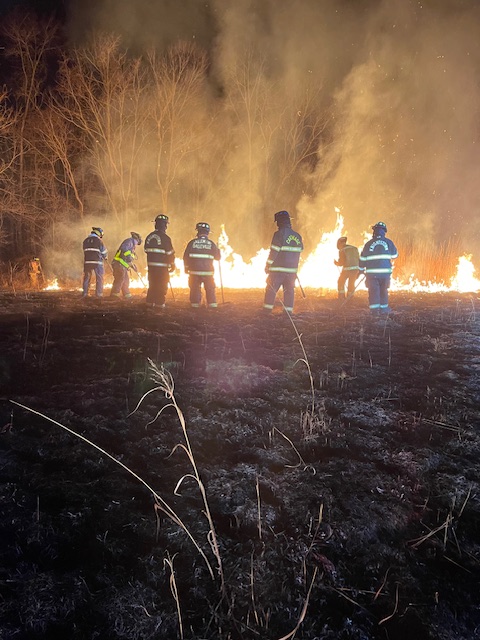
A few days ago, I was able to participate as a safety officer in a controlled burn for a property owner. The owner gave a donation to the local fire department to perform the burn and the department used it as a training session for their current recruit class and invited six other fire departments to participate. There was a great deal to practice from Incident Command to basic fire skills.

Everyday events present countless opportunities for learning and personal growth, often in unexpected ways. Whether it’s observing a colleague handle a difficult customer with grace or troubleshooting a household appliance, these moments can serve as impromptu training grounds. By cultivating a mindset of curiosity and openness, individuals can harness these experiences to develop new skills and expand their knowledge base.

Engaging with diverse perspectives and experiences in everyday interactions can enhance one’s understanding of different cultures, communication styles, and problem-solving approaches. Attending a neighborhood gathering or striking up a conversation with a stranger at a coffee shop can provide exposure to alternative viewpoints and novel ideas. By actively listening and seeking to understand others, individuals can broaden their horizons and enrich their personal and professional lives.

Reflecting on everyday experiences can be a powerful tool for self-improvement and skill development. Taking a few moments at the end of each day to consider what was learned from various interactions and challenges can help identify areas for growth and inform future actions. Whether it’s recognizing the need to improve time management skills based on a hectic day at work or realizing the importance of patience and empathy through a frustrating encounter, everyday events offer valuable lessons that can contribute to ongoing learning and development, at the fire station or home.

There are Two Sides to Every Story, and Sometimes They are Complicated.

Fire officers are often called to investigate incidents within their departments. In doing so, those officers must remain neutral. The age-old adage, “There are always two sides to a story,” reminds us of the importance of perspective and empathy in our understanding of events and situations. Every narrative, every conflict, and every experience in life is multifaceted, shaped by the diverse viewpoints and interpretations of those involved. This principle underscores the fundamental idea that what may seem like an unequivocal truth from one angle can appear entirely different when examined from another. Recognizing the existence of multiple perspectives encourages us to approach issues with an open mind and a willingness to listen and empathize with others.

In 2022, a residence fire occurred in Flint, Michigan. Firefighters from the Flint Fire Department arrived, entered the structure, and began to work. Two firefighters conducted a primary search and found no one inside. During the secondary search, other firefighters found two juvenile males. They were alive and transported, but ultimately perished at the hospital. The time difference was six minutes. The fire chief said the firefighters lied about their reports and disregarded other fire trucks. The firefighters stated they never lied; they just missed the room where the boys were found. One firefighter resigned, the other was disciplined and sent to retraining. A civil lawsuit is currently in the legal system in Michigan. A vehicle formerly owned by the fire chief was located at the house.

In many disputes and disagreements, the concept of “two sides to a story” serves as a powerful reminder that a comprehensive understanding of any situation requires us to consider the viewpoints and feelings of all parties involved. It fosters a sense of fairness and encourages us to avoid jumping to conclusions or making hasty judgments. By acknowledging that there is often more than meets the eye, we can approach conflicts with a greater sense of nuance and compassion, striving for balanced and informed decisions.

Embracing the idea that there are two sides to every story can be instrumental in fostering effective communication and conflict resolution. It encourages open dialogue and a willingness to engage in constructive conversations where differing perspectives are acknowledged and respected. By seeking common ground and understanding the complexities of different viewpoints, we can work towards solutions that are more equitable and sustainable, ultimately promoting harmony and cooperation in various aspects of our lives. In essence, the notion that there are always two sides to a story serves as a reminder of our shared humanity and the importance of empathy in navigating the intricacies of our interconnected world.

Leading from Across the Street, or the Country…… Reaching People

Recently, a peer suggested to his chief officers that the only way to perform as the incident commander at a fire, was from the front of the building.  I am assuming here that he meant the alpha side of the structure.  The addendum to his instructions were that the incident commander should not be in a vehicle or the Charlie side of the building, it was always a static command.

Fire company officers can call audibles as they arrive at fires, simply because no two fires are alike.  It should be possible the incident commanders to call audibles as to where they command fires, because all situations vary. Do battalion commanders have to visit the fire station every day? Does leading by a distance for the fire service resemble what is happening in the private sector? How do we lead from a distance?

Leading from a distance has become an essential skill in today’s increasingly remote work landscape. As organizations expand their operations globally and technology enables seamless connectivity, leaders are often required to manage teams spread across different geographies. Often this is because the battalion covers a wide area, sometimes it is due to restricting how illness spreads. This style of leadership involves unique challenges and opportunities, making it a topic of great relevance in the modern workplace and at the fire house.

One of the primary challenges of leading from a distance is maintaining effective communication. With team members scattered across locations, ensuring clear and timely communication becomes paramount. Leaders must utilize various communication tools and strategies to bridge the gap and keep everyone aligned. This challenge also extends to building and nurturing relationships within the team, as face-to-face interactions are limited. As the leader, you must ensure that the contact is made.  The team must open their e-mails.

Remote leadership encourages flexibility, as it necessitates trust in team members to manage their work independently. This can lead to increased job satisfaction and improved work-life balance for employees.

In this digital age, technological tools play a crucial role in remote leadership. Having battalion officer meetings on platforms like Zoom or Webex, are examples of leaders using an array of software and platforms designed to enhance collaboration, project management, and communication. Leveraging these tools effectively can streamline operations, save gas and time driving around, boost productivity, and facilitate remote team coordination. As remote work continues to evolve, mastering the art of leading from a distance is not just a valuable skill but a necessity for successful leadership in the 21st century.

Govenor Cuts Fire Department Funding, Some By 50%

Today, Massachusetts Govenor Maura Healy cut funding for the fire departments in 32 cities in her state, some by 50%. What is going on with government finances?

Government funding lies at the heart of a nation’s ability to function effectively. It fuels essential services, infrastructure development, and public welfare programs. However, managing government funding is not a walk in the park. It’s rife with challenges that policymakers, citizens, and economists grapple with daily. In this blog post, we’ll delve into some of the pressing challenges associated with government funding.

1. Budgetary Constraints

One of the most prominent challenges governments face is budgetary constraints. Balancing the books is no easy feat when demands often exceed available resources. The allocation of funds across various sectors such as healthcare, education, defense, and infrastructure is a perpetual tug-of-war. Citizens want more services, but they also want lower taxes. Striking the right balance is a herculean task. Fires are down across America these days, thanks to the men and women of the fire service. So along with that, is the perception that we are safe from fire. While that is not the case, perception is key here. That’s why public safety events and interacting with the public is crucial for the fire service.

2. Taxation Dilemmas

Taxes are the lifeblood of government funding. However, the question of how much to tax, whom to tax, and what types of taxes to implement is a constant source of debate. Some argue for lower taxes to stimulate economic growth, while others advocate for higher taxes to fund essential public services. Finding the sweet spot that satisfies both objectives is challenging.

3. Political Ideologies

Political ideologies play a significant role in government funding challenges. Conservatives tend to favor limited government and lower taxes, believing that market forces should drive economic growth. Liberals, on the other hand, advocate for a more robust public sector with higher government spending to address societal inequalities. These differing ideologies often lead to policy gridlock and funding disputes. While identifying trends of spending helps, it is not always the case. In the Massachusetts example, Healey leans towards the liberal agenda. You don’t always get what you expect in politics.

4. Deficit Spending and National Debt

In times of economic crisis or recession, governments may resort to deficit spending to stimulate the economy. While this can be a necessary tool, it also leads to an increase in the national debt. Balancing short-term economic needs with long-term fiscal responsibility is a delicate dance that governments must perform.

5. Special Interests and Lobbying

Special interest groups and lobbying can significantly impact government funding decisions. These groups often advocate for policies and funding that align with their interests, potentially skewing allocation away from the broader public good. Balancing the influence of these groups with the needs of the general populace poses a continuous challenge. Here is where the fire service can make its case for funding. Instead of relying on good will and the positive image the fire service has created, fire departments and their memberships can help their cause for funding by developing relationships with policy makers. When policymakers have a true understanding of what firefighters do, they can make informed decisions about where funding should go.

6. Accountability and Efficiency

Ensuring that government funds are used efficiently and accountably is another challenge. Waste, fraud, and mismanagement can erode public trust in government. Governments must constantly strive to improve transparency, oversight, and accountability in their spending. When fire departments are transparent and spend funding wisely, they foster trust with the public and politicians that the fire service is indeed a good investment.

Conclusion

Government funding challenges are complex and multifaceted. Balancing the demands of citizens, economic realities, and political ideologies is an ongoing struggle. However, these challenges also present opportunities for innovation, collaboration, and creative solutions. As citizens, it’s crucial to stay informed and engaged in discussions about government funding to help shape the future of our societies.

By acknowledging these challenges and actively participating in the democratic process, we can work towards more effective and responsible government funding that benefits us all.

Starting a New Year at the Fire House

As we embark on this fresh journey, I want to take a moment to reflect on the past year and look forward to the possibilities that lie ahead. The beginning of a new year is a time for renewal, a chance to set new goals, and an opportunity to embrace change and reflect on the fires and emergencies we responded to in 2023.

2023 may have been filled with challenges, but it has also been a year of resilience and growth. We’ve learned valuable lessons, discovered hidden strengths, new techniques, and forged deeper connections with those around us. Now, as the calendar turns, we can harness this wisdom to make 2024 a year of positivity, progress, and purpose.

Here are a few ideas to kickstart your new year on a positive note:

  1. Set Meaningful Goals: Reflect on what you want to achieve in the coming year. Whether it’s personal growth, a promotion, career aspirations, or new adventures, setting clear and achievable goals will give you direction and motivation.
  2. Embrace Change: Change is the only constant in life. Instead of fearing it, embrace it. Be open to new experiences, challenges, and opportunities that come your way. The fire service changes every day, be ready to guide that change, be that agent.
  3. Practice Gratitude: Take a moment each day to appreciate the little things in life. Gratitude can help shift your focus from what’s lacking to what you have, fostering a sense of contentment and happiness.
  4. Prioritize Self-Care: Remember to take care of yourself. Mental and physical health should be at the forefront of your priorities. Whether it’s through exercise, meditation, or simply taking time for yourself, make self-care a non-negotiable part of your routine. Health of firefighters has been a recent buzz word, but that comes from things we have learned about how we can work in better health and live long into retirement.
  5. Give Back: Find ways to give back to your community or the world at large. Acts of kindness and generosity not only benefit others but also bring a sense of fulfillment and purpose to your life.
  6. Stay Connected: Nurture your relationships with family and friends. In this fast-paced world, the bonds we share with loved ones are invaluable. Make time for meaningful connections. I wrote a couple of years ago about the value of networking, it is one example of staying connected to the job. Once a firefighter, always a firefighter.
  7. Learn Continuously: Never stop learning. Whether it’s acquiring new skills, reading books, or exploring different perspectives, the pursuit of knowledge can enrich your life in countless ways. Every day at the engine house is a day to be just a little better.
  8. Stay Positive: Cultivate a positive mindset. Challenges will come, but your outlook on them can make all the difference. Choose optimism, resilience, and a can-do attitude.
  9. Adventure Awaits: Seek out new experiences and adventures. Travel, try new hobbies, or explore your own backyard. The world is full of wonder, waiting for you to discover it. Off duty days are ways to extend your career your future.
  10. Celebrate Small Wins: Don’t forget to celebrate your achievements along the way, no matter how small. Recognizing your progress will keep you motivated and inspired.

Let’s make 2024 a year of growth, connection, and fulfillment. Embrace the opportunities that come your way, and remember that each day is a chance to start anew. Here’s to a happy, healthy, and prosperous New Year! 🥂🌟

Tips on Being a Stable Boss of Firefighters

Leadership is a skill that transcends industries and professions. We can find valuable leadership lessons in unexpected places, such as the world of horsemanship. Being the stable boss in the equestrian world means more than just managing horses; it involves establishing trust, clear communication, and creating a harmonious environment. In this article, we’ll explore some leadership lessons we can learn from being the stable boss.

  1. Establish Trust

In the equestrian world, trust is paramount. Horses are sensitive animals, and they can sense fear and uncertainty in their handlers. To be an effective stable boss, you must establish trust with both your equine companions and your team.

Leadership Lesson: In any leadership role, trust is the foundation. Team members must trust their leader to make decisions, support them, and act with integrity. Building trust requires consistency, transparency, and reliability. Human beings are also sensitive animals, and they trust their feelings.

  1. Effective Communication

Effective communication is key to managing a stable successfully. When working with horses, non-verbal cues and body language often speak louder than words. A good stable boss can convey their intentions and expectations clearly without resorting to force.

Leadership Lesson: Leaders should prioritize clear and open communication. Be attentive to both verbal and non-verbal cues. Encourage open dialogue, active listening, and the sharing of ideas within your team. While this is more aligned with fire station management, many of these concepts translate to the fire ground as well.

  1. Adaptability

In the equestrian world, plans can change rapidly due to weather conditions, horse behavior, or unforeseen circumstances. A successful stable boss must be adaptable, ready to adjust strategies and plans on the fly.

Leadership Lesson: Leaders should be flexible and able to adapt to changing situations. Being rigid can hinder progress and lead to frustration within a team. Embrace change as an opportunity for growth and learning. Many firefighters develop muscle memory when working multiple house fires. When high-rise or big box fires come around, small fire tactics start showing up. Here’s where company officers and chief officers must lead by adaptive leadership, rigidity has to avoided here for everyone’s safety.

  1. Lead by Example

In the stable, you’ll often find that the most respected leaders are those who lead by example. When a stable boss demonstrates hard work, dedication, and a deep love for the horses, it sets a positive tone for the entire team.

Leadership Lesson: Leaders should be role models for their team members. Your actions should align with the values and expectations you set. When your team sees your commitment and passion, it inspires them to do the same. When it’s ladder cleaning day, be sure the ladders get cleaned.

  1. Foster a Team Atmosphere

A successful stable boss understands that the well-being of the horses is a collective effort. It takes a team to ensure that the animals are cared for properly. Creating a sense of teamwork and camaraderie among stable staff is essential.

Leadership Lesson: Leaders should foster a collaborative environment where team members feel valued and supported. Encourage cooperation, celebrate achievements together, and address conflicts constructively. Saying “good job” after a fire goes a long way.

  1. Patience and Persistence

Training and working with horses can be challenging and time-consuming. A stable boss needs patience and persistence to achieve desired results. Rushing or becoming frustrated can lead to setbacks.

Leadership Lesson: Leaders should possess patience and persistence when tackling challenges or pursuing long-term goals. Understand that success often requires time and effort, and setbacks are part of the journey. “No plan survives first contact with the enemy.” Expect changes and problems when managing emergency scenes and station activities. Those problem situations just pop up, it’s part of life.

Conclusion

Being the stable boss in the equestrian world teaches us valuable leadership lessons that can be applied in various aspects of life. Whether you’re managing a team at work or leading a community project, establishing trust, effective communication, adaptability, leading by example, fostering a team atmosphere, and demonstrating patience and persistence are all essential traits of a successful leader. So, take a page from the stable boss’s playbook, and lead with confidence and compassion. Giddy up.

Muscle Memory and the Dinosaurs

Muscle memory is a term often used to describe the phenomenon of our muscles and motor skills “remembering” how to perform certain tasks, even after periods of inactivity. This concept has profound implications for both firefighters and individuals learning new skills. While muscle memory can greatly aid in skill acquisition and performance improvement, it can also hinder progress in certain situations. In this article, we will explore how muscle memory can both help and hurt performance, as well as learning poor muscle memory and bad habits from the dinosaurs.

The Benefits of Muscle Memory

  1. Skill Acquisition and Improvement

Muscle memory plays a crucial role in skill acquisition and improvement. When we repeatedly perform a specific task or activity, our muscles, nervous system, and brain work together to create neural pathways dedicated to that task. These pathways become more efficient over time, allowing us to perform the skill with greater precision and speed. This is particularly valuable for firefighters, EMT’s, medics, athletes, musicians, and dancers who rely on consistent, precise movements.

  1. Faster Reaction Times

Muscle memory enables faster reaction times. When we encounter a situation that requires a quick response, our brains can bypass conscious thought and rely on ingrained motor patterns. This can be the difference between successfully executing a critical move in a flashover/mayday or failing to do so.

  1. Consistency

Muscle memory helps maintain consistency in performance. Whether you’re an engine firefighter, truck firefighter or medic, striving for a consistent move or response, muscle memory ensures that your actions remain uniform. This consistency is vital for achieving excellence in various fields.

The Drawbacks of Muscle Memory

  1. Plateaus and Limited Adaptability

While muscle memory can lead to consistency and precision, it can also result in plateaus. Once a motor pattern is deeply ingrained, it becomes challenging to make significant changes to it. Firefighters, like athletes trying to adjust their techniques may find it difficult to break free from their ingrained muscle memory, limiting their ability to adapt to new strategies or methods.

  1. Skill Decay

Muscle memory is not immune to deterioration. If you stop practicing a skill for an extended period, your muscle memory can weaken, leading to a decline in performance. This is particularly relevant for athletes and musicians who must maintain their skills through regular practice. Firefighters who don’t train have a decline in performance without realizing it.

  1. Risk of Injury

Muscle memory can potentially contribute to injuries. Athletes who continually perform the same movements without proper variation may develop muscle imbalances or overuse injuries. Additionally, relying solely on muscle memory during high-stress situations can increase the risk of injury due to reduced adaptability.

4. Muscle Memory Learned from Dinosaurs

Learning a poor skill (we don’t do it that way here, forget what you learned in training) can be just as problematic. Poor skills imbedded by muscle memory can lead to reduced productivity, workflow issues with other companies, time wasted on emergency scenes, legal issues if a question arrives regarding work performance, damage to self-esteem and confidence when others outperform, and safety risks which lead to accidents and injuries.

Conclusion

Muscle memory is a double-edged sword that can either enhance or impede performance, depending on how it is utilized. While it greatly aids skill acquisition, precision, and consistency, it can also lead to plateaus, skill decay, and an increased risk of injury. To maximize the benefits of muscle memory, individuals must strike a balance between relying on established motor patterns and allowing for adaptability and improvement through deliberate practice and occasional adjustments. Understanding the role of muscle memory is essential for anyone seeking to excel in the fire service, EMS, sports, arts, or any skill-dependent endeavor.