How Firefighters Can Drive Change At Their Departments

Firefighters who see potential at their departments can drive change at work through various strategies:

  1. Lead by Example: Demonstrate the change you want to see through your actions and work habits. You will be surprised at how quickly your actions and ideas are shared by your peers. It is amazing how a “trend” will develop when others see what you’re doing.
  2. Communicate Effectively: Share ideas and feedback openly with colleagues, officers and the union or volunteer group. Use clear and persuasive communication to highlight the benefits of the proposed changes.
  3. Build Alliances: Collaborate with like-minded firefighters to create a coalition that supports the change. Having a group can amplify your influence and help in pushing for change.
  4. Understand the Organizational Culture: Align your change initiatives with the company’s values and culture. This alignment makes it easier to gain acceptance and support. This is important, read the room.
  5. Provide Data and Evidence: Support your ideas with data, case studies, or examples of success from other organizations. This can help in making a compelling case for change. In all likelihood, others have tried your idea and you can save time and energy by not reinventing the wheel.
  6. Be Persistent and Patient: Change can be slow and met with resistance. Persistence and patience are crucial to overcoming obstacles and achieving long-term success. Time and pressure will make a diamond.
  7. Seek Support from Leadership: Engage with managers and leaders who can champion your cause. Leadership support can provide the necessary resources and authority to implement changes. If you’re making progress and implementing improvements, chief officers will want to see things improve.
  8. Offer Solutions, Not Just Problems: When identifying issues, also propose practical solutions. This proactive approach can be more effective in driving change. You become a problem solver not a complainer.
  9. Stay Informed and Educated: Keep up with industry trends and best practices. Being knowledgeable can help you present innovative ideas and solutions. The fire service is always moving forward, we just pretend everything is the same.
  10. Empower Others: Encourage and empower your colleagues to take ownership of change initiatives. Collective effort often leads to more significant impact and sustained change.

By adopting these strategies, firefighters can effectively influence and drive positive change within their department. You will be surprised and encouraged to see how much change you can bring.

Is Dr. Jekyll and Mr. Hyde Your Boss?

Ever work at a fire station for an officer who was unpredictable? Was it a case where you didn’t know which boss was going to show up that morning? Working for a boss who exhibits Dr. Jekyll and Mr. Hyde tendencies can be challenging and stressful. One moment they’re supportive and pleasant, and the next, they’re difficult and unpredictable. Here are some strategies to help you navigate this tricky situation and maintain your professional sanity.

Understanding the Duality

First, it’s essential to understand that a Dr. Jekyll and Mr. Hyde boss behaves unpredictably due to various factors. These may include stress, personal issues, or even mental health conditions. While it’s not your job to diagnose or fix these issues (which you can’t diagnose and you’re not supposed to fix), having some empathy can help you manage your reactions and interactions.

1. Stay Professional

No matter how your boss behaves, maintain your professionalism. Responding emotionally to their Mr. Hyde moments can escalate the situation and reflect poorly on you. Instead, keep your tone and demeanor steady and composed.

Tips:

  • Use neutral language and avoid sounding defensive.
  • Keep your communication clear and concise.
  • Focus on facts rather than emotions.

2. Set Boundaries

Establish clear boundaries to protect your well-being. This might mean limiting your interaction with your boss when they’re in a negative state or politely but firmly refusing to engage in discussions that veer into personal attacks.

Tips:

  • Focus on interaction at times when your boss is generally in a better mood.
  • Politely excuse yourself from unproductive conversations.

3. Document Everything

Keep detailed records of your work. Starting with morning checks, day books and reports. This documentation can be invaluable if you ever need to address questions or issues.

4. Seek Support

Talk to trusted colleagues or mentors about your situation. The fire service has taken strides recently with mental health issues. Your department most likely has avenues to resolve issues and address problems.

Tips:

  • Find a mentor within your organization who understands the company culture.
  • Join professional groups or forums for external support.
  • Don’t hesitate to seek professional help if the stress becomes overwhelming.

5. Focus on Solutions

When dealing with a volatile boss, it’s helpful to be solution oriented. Propose practical solutions during conflicts and show your commitment to the team’s success. This approach can sometimes help to defuse tension and demonstrate your professionalism.

Tips:

  • Present issues with potential solutions rather than just problems.
  • Highlight how your solutions benefit the team and align with the company’s goals.
  • Remain flexible and open to feedback.

6. Plan Your Exit Strategy

If your boss’s behavior becomes intolerable and there is no sign of improvement, it might be time to consider departmental transfer. Your mental health and job satisfaction are crucial. Start exploring opportunities elsewhere while ensuring your current role remains unaffected until you make a transition.

Tips:

  • Make sure you are squared away.
  • Network with other firefighters who might know of work options for you.
  • Research companies with better workplace cultures.

Conclusion

Handling a Dr. Jekyll and Mr. Hyde boss requires patience, professionalism, and strategic thinking. By setting boundaries, documenting interactions, seeking support, focusing on solutions, and planning your exit strategy, if necessary, you can navigate this challenging work environment more effectively. Remember, your well-being and career growth are paramount, and sometimes the best solution is to move on to a healthier work environment.

Firefighters Get Frustrated Too; Keep Moving Forward

Firefighters are often seen as everyday heroes, bravely battling blazes and saving lives. But behind the scenes, we face our own set of challenges and frustrations. From intense physical demands to emotional strains, the life of a firefighter is far from easy. Yet, despite these obstacles, we continue to push forward, driven by a sense of duty and commitment to ourselves, our families and our communities.

The Daily Struggles

Physical Demands

The job of a firefighter is physically grueling. We must maintain peak physical condition to perform our duties effectively. Whether it’s carrying heavy equipment, climbing ladders, or rescuing individuals from dangerous situations, the physical toll is significant. Injuries and fatigue are common, and the need to stay in top shape adds constant pressure.

Emotional Strain

Firefighters frequently witness traumatic events. From devastating fires to life-threatening accidents, these experiences can take a heavy emotional toll. Dealing with loss, injury, and sometimes death, can lead to stress, anxiety, and even PTSD. Balancing these emotions while staying focused on the job is a daily challenge.

Long Hours and Unpredictable Schedules

The work schedule of a firefighter is anything but typical. Long shifts, often extending over 24 hours, coupled with the unpredictability of emergencies, can disrupt personal and family life. Missing out on family events, holidays, and regular sleep patterns adds another layer of difficulty.

Overcoming Frustration

Training and Preparation

Continuous training and preparation are essential. By staying well-prepared, we can mitigate some of the physical and mental challenges we face. Training drills, fitness routines, and mental health resources play a crucial role in keeping them ready for any situation. We can’t let skill decay get into our profession.

Support Systems

Having a strong support system is vital. Firefighters rely on their families, friends, and colleagues to provide emotional support. Fire departments often have counseling services and peer support programs to help manage stress and emotional difficulties. This has become a long overdue process for firefighters as well as their families. Reaching out is critical and hard, requiring courage to get help. Yet it can be a life saver and crucial for the families who need and love us.

Focus on the Mission

Despite the frustrations, the mission remains clear: to save lives and protect property. This sense of purpose is a powerful motivator. We often draw strength from knowing their work makes a significant difference in their communities.

Moving Forward

Adaptability and Resilience

Adaptability and resilience are key traits for firefighters. Learning to cope with changing situations, staying flexible, and bouncing back from setbacks are essential for long-term success in this demanding profession.

Community Connection

Building strong connections with the community can also provide motivation. Knowing that they are valued and appreciated by the people they serve can be incredibly uplifting. Community outreach programs, fire safety education, and public events help foster these connections.

Personal Well-being

Firefighters must prioritize their well-being. Regular physical exercise, proper nutrition, sufficient rest, and mental health care are crucial. Taking time for hobbies, relaxation, and family can help balance the intense demands of the job.

Conclusion

As firefighters we face numerous frustrations and challenges, but their dedication and resilience keep us moving forward. By focusing on the mission, utilizing support systems, and prioritizing our well-being, we can continue to serve the communities with courage and commitment. The ability to overcome obstacles is a testament to the strength and determination, reminding us all of the importance of perseverance in the face of adversity.

You Go, We Go: A Lifeline for Fire Service Mental Health

In the world of firefighting, the phrase “You go, we go” has long been a rallying cry, embodying the spirit of teamwork and mutual reliance essential for survival. This mantra, made famous in the movie Backdraft, underscores the fundamental principle that no one fights alone. In recent years, this principle has been extended beyond the physical aspects of firefighting to encompass the mental health and well-being of firefighters.

The Mental Health Challenge in the Fire Service

Firefighters face unique mental health challenges due to the nature of their work. Regular exposure to traumatic events, high-stress situations, and the pressure to perform under life-and-death circumstances can take a significant toll. According to the National Fallen Firefighters Foundation, firefighters are more likely to die by suicide than in the line of duty. This alarming statistic highlights the urgent need for comprehensive mental health support within the fire service.

Applying “You Go, We Go” to Mental Health

The “You go, we go” attitude, when applied to mental health, emphasizes the importance of collective responsibility and support. Just as firefighters rely on each other to navigate dangerous situations, they must also depend on one another to navigate the psychological impacts of their work. Here’s how this attitude can be effectively integrated into mental health initiatives:

  1. Peer Support Programs: Establishing peer support programs allows firefighters to connect with colleagues who understand the unique stresses of the job. These programs can provide a safe space for individuals to share their experiences and struggles, fostering a sense of camaraderie and mutual support.
  2. Open Communication: Encouraging open and honest communication about mental health can help break down the stigma often associated with seeking help. Leadership should promote an environment where discussing mental health is as routine as discussing physical health.
  3. Mental Health Training: Regular training sessions on mental health awareness and coping strategies can equip firefighters with the tools they need to manage stress and trauma. These sessions should be integrated into standard training curricula to ensure they are given equal importance.
  4. Access to Professional Help: Providing easy access to mental health professionals is crucial. This includes ensuring that firefighters have confidential and free or low-cost access to counseling and psychological services.
  5. Family Involvement: Including families in mental health initiatives can provide a broader support network for firefighters. Families can be educated on the signs of mental distress and the best ways to offer support.

Success Stories

Several fire departments have successfully implemented programs that embody the “You go, we go” attitude towards mental health. For instance, the Indianapolis Fire Department has implemented Peer Support Group call lists, confidential and EAP services and a 12-step support group. Additionally, the Los Angeles Fire Department has developed a robust peer support program and provides annual mental health training for all its members. Similarly, the New York City Fire Department has partnered with various mental health organizations to offer comprehensive support services. The State of Indiana Fire Marshal recently began publishing a video series on firefighter mental health. You can watch the YouTube video here.

Conclusion

The “You go, we go” attitude is more than just a phrase—it’s a lifeline that can save lives both on and off the fireground. By extending this principle to mental health, fire departments can create a supportive environment where every firefighter feels valued and cared for. In doing so, they not only protect the physical well-being of their members but also safeguard their mental health, ensuring that they can continue to serve their communities effectively and safely.

The next time you hear “You go, we go,” remember that it applies not just to facing the flames, but also to facing the mental challenges that come with the job. Together, we can create a fire service where no one fights alone—physically or mentally.

Utilizing the Experts Working in Your Firehouse

In today’s world of firefighting, experience and expertise are invaluable. When you have seasoned firefighters under your command, tapping into their knowledge and skills for training purposes can significantly enhance the capabilities of your entire team. Here’s a guide on how to effectively use expert firefighters from your own station(s) in your training programs.

Recognizing the Value of Experience

Expert firefighters bring a wealth of real-world experience that goes beyond textbook knowledge. They have faced a variety of situations, honed their instincts, and developed strategies that can save lives and property. Their insights are a treasure trove for less experienced team members. You will be surprised how willing they are to help other firefighters.

Identifying Key Areas for Training

  1. Advanced Techniques: Expert firefighters can demonstrate advanced firefighting techniques that are not commonly taught in basic training. These are the lessons that on-the-job training brings to the table. This includes specialized rescue operations, handling hazardous materials, and advanced fire suppression tactics.
  2. Scenario-Based Training: Use their experiences to create realistic training scenarios. These scenarios should challenge the trainees and mimic real-life emergencies as closely as possible. Having experts run these scenarios ensures a realism for the younger firefighters and offers trainees a glimpse of real-world challenges.
  3. Mentorship Programs: Pairing new recruits with veteran firefighters in a mentorship program can accelerate learning. Mentors provide guidance, share personal experiences, and offer feedback, helping mentees to grow quickly and confidently in their roles. This also gives the younger firefighter someone who they can reach out to without the worrying of “bothering” someone. The information is also consistent, because sometimes different information comes from different people.

Structuring Effective Training Sessions

  1. Interactive Sessions: Encourage expert firefighters to lead interactive sessions where trainees can ask questions and engage in discussions. This helps in understanding the rationale behind certain decisions and actions taken during real incidents.
  2. Hands-On Training: Practical, hands-on training is crucial. Expert firefighters can oversee drills and exercises, offering real-time feedback and corrections. Their presence ensures that high standards are maintained, and best practices are followed.
  3. Workshops and Seminars: Organize workshops and seminars on specific topics like fire behavior, building construction related to firefighting, and new firefighting technologies. These can be led by your experienced team members, sharing the latest knowledge and innovations in the field. Consider building construction training from someone who works construction on their day off.

Creating a Culture of Continuous Learning

  1. Encouraging Knowledge Sharing: Foster an environment where knowledge sharing is encouraged and valued. Regular debriefs after incidents, where experts share what went right and what could be improved, can be incredibly educational.
  2. Continuous Improvement: Encourage your expert firefighters to keep updating their skills and knowledge. This can be through attending external training programs, participating in conferences, or even engaging with other fire departments to learn different techniques and strategies. Sometimes teaching is the best continuing educational tool.
  3. Feedback Mechanism: Implement a robust feedback mechanism where trainees can share their learning experiences and suggestions. This helps in continuously refining the training programs to meet evolving needs.

Technology

Utilize technology to enhance training. Expert firefighters can help create virtual reality (VR) simulations, develop online training modules, and use drones for training on situational awareness and incident monitoring. Technology can bridge the gap between theoretical knowledge and practical experience.

Acknowledging and Rewarding Expertise

Finally, it’s essential to recognize and reward the contribution of expert firefighters in your training programs. Acknowledgment boosts morale and encourages a culture where experienced firefighters feel valued and motivated to share their knowledge.

Conclusion

Using expert firefighters under your command for training is not just about imparting knowledge; it’s about building a stronger, more capable team ready to face any challenge. By effectively utilizing their expertise, you can ensure that your department remains at the forefront of firefighting excellence, ready to protect and serve the community with unmatched skill and confidence.

Working in as the new station officer

Transitioning into a fire house as an officer can be both exciting and challenging. As a new officer, you’re the bridge between the battalion chief and the firefighters. Your role is crucial in ensuring that organizational goals are met while also maintaining team morale and productivity. Here’s some suggestions to help you navigate this new role successfully.

1. Understand Your Role and Responsibilities

Before diving into your new position, take the time to fully understand what is expected of you from the chief. This involves:

  • Clarifying Expectations: Have a detailed discussion with your battalion to understand your key responsibilities, goals, and metrics for success. This isn’t a phone call meeting because even though you probably know the chief, people change, battalions are different and it’s important to start on the same page.
  • Learning About Your Team: Get to know the strengths, weaknesses, and dynamics of your team members. There may be a strong personality at the station that might challenge you, know the station dynamics. Understanding both their roles and how they see themselves will help you manage them more effectively.

2. Develop Strong Communication Skills

Effective communication is the cornerstone of good management. As a station officer, you need to:

  • Be Transparent: Keep your team informed about company goals, changes, and their role in achieving these objectives. You don’t have to be the overbearing officer to let everyone know what is happening, clean the ladders day is still clean the ladders day.
  • Active Listening: Pay attention to your team’s feedback and concerns. This not only builds trust but also provides valuable insights into potential issues or improvements. Pay attention to visual cues not only dialogue.
  • Facilitate Open Dialogue: Encourage open communication within your team. Create an environment where team members feel comfortable sharing ideas and feedback.

3. Build Relationships

Strong relationships are essential for effective station and emergency management. Focus on:

  • Team Building: Foster a collaborative team environment. Encourage team training, activities and bonding exercises. Your station will be more effective and efficient at fires if everyone is in the same groove (workflow).
  • Networking: Build relationships with other officers, chiefs, departments and senior leaders. This can provide you with valuable support and resources.

4. Lead by Example

Your team will look to you for guidance and inspiration. Set a positive example by:

  • Demonstrating Work Ethic: Show commitment and dedication to your work.
  • Maintaining Professionalism: Handle conflicts and challenges with grace and professionalism.
  • Being Accountable: Take responsibility for your decisions and actions. This builds credibility and trust.

5. Focus on Development

Invest in the growth and development of your team. This can be achieved by:

  • Providing Training: Offer opportunities for skill development and training. You’re not getting rid of them, you are developing the next station officers. You’re passing it on!
  • Setting Clear Goals: Help your team set and achieve professional goals.
  • Offering Constructive Feedback: Regularly provide feedback that is specific, actionable, and supportive. Sometimes annual performance reviews don’t make it out to the stations. Take the initiative.

6. Manage Your Time Effectively

Time management is crucial in balancing your responsibilities. Consider the following strategies:

  • Prioritize Tasks: Focus on high-impact tasks that align with organizational goals. Training on high-risk, low-occurrence tasks is a good way to be ready for the “that never happens to us” fire.
  • Delegate Wisely: Assign tasks based on team members’ strengths and workloads. Be careful here not to assign tasks that appear that you are dodging work.
  • Use Tools and Technology: Find the tools to stay organized and efficient. If it doesn’t exist, invent it!

7. Navigate Challenges with Confidence

Challenges are inevitable in any management role, especially in the dynamic new station officer position. Approach them with confidence by:

  • Staying Solution-Focused: Focus on finding solutions rather than dwelling on problems.
  • Being Adaptable: Be open to change and ready to pivot when necessary. It happens more than people think.
  • Seeking Support: Don’t hesitate to ask for advice or support from your peers or mentors.
  • Now You’re the Boss: You will eventually supervise someone who used to supervise you. Be honest, fair and efficient. Have solid reasons for decisions. People can’t argue with reason and if they challenge you (they will) the administrative chiefs will see your reasoning and have your back.

8. Foster a Positive Work Environment

A positive work environment boosts morale and productivity. Ensure your team:

  • Feels Valued: Recognize and reward their hard work and contributions.
  • Has Work-Life Balance: Promote a healthy work-life balance to prevent burnout.
  • Is Engaged: Keep your team engaged with challenging and meaningful work or training.

9. Continuously Improve

Always strive for personal and professional growth. Be a life-long learner. You can do this by:

  • Seeking Feedback: Regularly ask for feedback from your team and superiors.
  • Learning Continuously: Stay updated with industry trends and best practices. Sometimes re-learning is the best way to stay on top.
  • Reflecting on Performance: Periodically assess your own performance and identify areas for improvement. Keep a private journal. After each event (fire, EMS or station event) reflect on what you did well and what you could improve on. It’s an excellent self-improvement technique.

Conclusion

Being a new station officer is a dynamic and rewarding role that requires a balance of leadership, communication, and strategic thinking. By focusing on building relationships, leading by example, and fostering a positive work environment, you can successfully navigate the challenges and excel in your new position. Soon, people will be reaching out to you to see how you became so successful. Remember, continuous learning and improvement are key to becoming an effective station officer.

Why Firefighters Continue to Drill on Basic Skills

Training on basic firefighter skills is crucial for several reasons, paramount among them being safety, efficiency, and adaptability in emergency situations. Safety is the foremost concern in firefighting, where the risks are inherently high. Regular training and retraining on basic skills such as hose handling, ladder operations, and proper use of personal protective equipment ensure that firefighters maintain their competence and confidence in using their gear and executing procedures that protect both themselves and the public. This foundational proficiency helps prevent accidents and injuries, which are more likely when there is a lack of familiarity or skill decay. Skill decay is a topic rarely covered in fire service training.

Secondly, efficiency in responding to emergencies is significantly enhanced by mastery of basic skills. Firefighting is a time-sensitive operation where every second counts. Efficient handling of equipment and quick execution of protocols can mean the difference between minor damage and major disaster. Routine drills help ingrain these skills so that they become second nature, allowing firefighters to perform under pressure without hesitation. This efficiency not only improves the outcomes of firefighting efforts but also contributes to a more coordinated response when working in teams.

Finally, the dynamic nature of firefighting emergencies requires firefighters to be highly adaptable. Basic skills training provides a solid foundation from which they can adjust to unexpected situations. Continuous training ensures that firefighters are up to date with the latest techniques and technologies that may be introduced. Revisiting basic skills regularly fosters an environment of continuous learning and improvement, which is essential in a field where new challenges frequently arise. By maintaining a high level of proficiency in basic skills, firefighters are better prepared to adapt their methods and approaches to any scenario, ensuring effective and responsive firefighting.

Being Comfortable at the Firehouse May End Up Hurting Your Performance

Feeling comfortable at the firehouse isn’t just about physical comfort; it’s also about psychological well-being. Every firefighter has been assigned a fire station where they just didn’t feel at home or welcome. When firefighters feel comfortable in their work environment, they’re more likely to be productive, creative, initiate actions, and engaged. A comfortable workspace fosters a sense of belonging and encourages employees to bring their authentic selves to work, which can lead to stronger companies, cohesion and coordination at emergency scenes.

However, if comfort becomes synonymous with complacency, it might be time for a change. Stagnation can set in when employees become too comfortable in their roles or environments, leading to decreased motivation, performance, and innovation. Introducing new workspaces, projects, or opportunities for growth can reignite enthusiasm and drive, keeping firefighters engaged and invested in their work. I was fortunate in my career to recognize early that I needed changes in my workstations every 6-7 years. That forced me to learn, grow outside my comfort zone and in the long run have greater experiences to draw on when challenges arose.

Ultimately, striking a balance between comfort and challenge is key. A work environment that promotes comfort while also encouraging growth and development can lead to greater job satisfaction and overall success for both firefighters and departments. Would a change do you good? To quote Mark Twain, “It is wiser to find out than to suppose.”

Fire Departments Should Provide Leadership Training

Leadership training is a critical investment for fire departments aiming to cultivate effective company officers and chief officers. Such programs often focus on a blend of theoretical knowledge and practical skills development. They aim to equip participants with the ability to inspire, motivate, and guide their firefighters toward shared goals. Effective leadership training goes beyond just teaching management techniques; it also delves into areas such as emotional intelligence, communication, and conflict resolution.

One key aspect of leadership training is fostering self-awareness. Future officers and chiefs are encouraged to reflect on their strengths, weaknesses, and leadership style. By understanding themselves better, leaders can adapt their approach to different situations and individuals, enhancing their effectiveness. The private sector has made great strides by leaders developing self-reflecting skills, why should the fire service be left behind? Additionally, leadership programs often incorporate opportunities for feedback and assessment, allowing future officers to gain insights into how others perceive their leadership and areas for improvement.

Moreover, leadership training often emphasizes the importance of leading by example. Leaders learn to embody the values and behaviors they wish to see in their companies. Through modeling integrity, accountability, and resilience, they inspire trust and confidence among their stations. Leadership development is an ongoing journey, and effective training programs provide participants with the tools and support needed to continue growing and evolving as leaders throughout their careers.

The Fire Ground Lie and The Risk to Firefighters

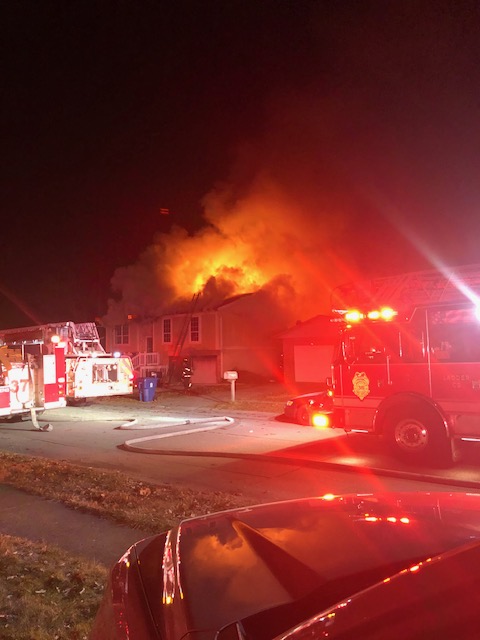
Many years ago, while responding to a residential fire, the first due engine officer (a ride-out officer), transmitted that they were on the scene, and this would be a defensive fire. As the responding Battalion Chief, I acknowledged the message and told them to make whatever call they needed. On my arrival, I found that this was not a defensive fire, crews were inside working. The ride-out officer just wanted other crews to slow down so his crew would be first in the door. Needless to say, I was shocked and livid.

I’m not writing to discuss this fire; I am writing to speak about the loss of trust and how that damages the organization. When an employee lies to you, it creates a rupture in the trust essential for any working relationship. Whether the falsehood is about a fire’s progress, a personal issue, or a mistake made, the impact can be significant and far-reaching. Initially, it undermines the transparency crucial for effective communication and collaboration within the team. Moreover, it can lead to a toxic work environment where suspicion and doubt prevail, hindering productivity and morale. As a leader, discovering such deception can also provoke feelings of betrayal, especially if the trust was previously established. Above all, it puts the lives of citizens and other firefighters at risk, because your information can never be considered accurate. Without the fireground information being reliable, how can you possibly make decisions for everyone’s safety?

Addressing the situation promptly and effectively becomes paramount when a firefighter lies. Ignoring or downplaying the dishonesty may only exacerbate the issue, allowing it to fester and potentially spread. Instead, confronting the firefighter and their officer in a respectful yet firm manner is essential. Providing a safe space for open dialogue enables both parties to understand the motivations behind the dishonesty and explore potential solutions collaboratively. This approach not only demonstrates the importance of honesty within the organization but also fosters a culture where transparency is valued and upheld.

Beyond the immediate repercussions, the aftermath of an employee’s deceit prompts reflection on the organizational culture and management practices. It serves as a reminder of the significance of cultivating an environment where honesty is encouraged and rewarded. Employers may need to reassess their communication channels, feedback mechanisms, and conflict resolution strategies to prevent similar incidents in the future. Furthermore, investing in training programs that emphasize ethical behavior and integrity can help reinforce these values among employees, ultimately contributing to a more resilient and trustworthy workplace culture.

Be accurate, be safe.