Seeing the Whole Fire: Why a 360-Degree Perspective Matters for the Incident Commander

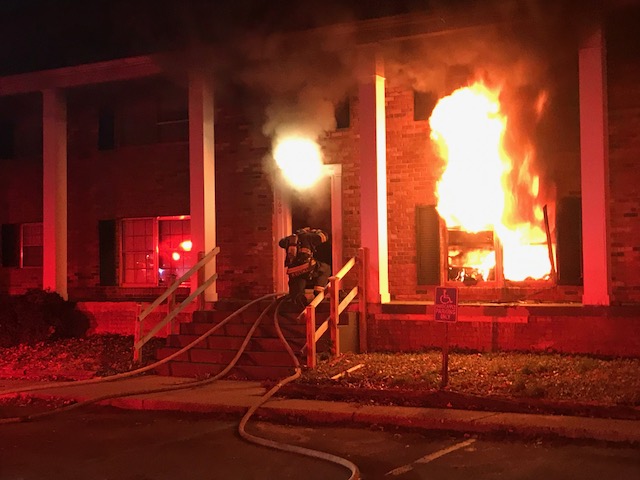
When an incident commander steps off the rig at a working fire, the first instinct may be to dive straight into command decisions—assign crews, set objectives, call for more resources. But the most critical move they make at the very beginning is deceptively simple: they walk.

A 360-degree walk-around of the structure isn’t just a box to check. It’s a foundational act of leadership. That walk offers the IC the full context—fire location, smoke conditions, access points, collapse potential, and, most importantly, hazards or victims that aren’t visible from the front. Without it, you’re commanding from a place of assumption, not reality. And in this line of work, assumptions can be deadly.

But the walk-around is more than just physical; it’s symbolic of how an incident commander must think. They must see the whole fire, not just what’s visible from their initial viewpoint. That means understanding the interior layout, fire behavior, where crews are operating, and how conditions are changing. They need real-time intel, clear communication, and a mental map of the evolving situation. Just like circling the building, they must mentally circle the operation, asking: What am I missing?

Great incident commanders don’t just stand in one spot—they continuously seek new angles, ask tough questions, and stay curious throughout the call. Because when lives and property are on the line, only a complete, 360-degree perspective will do.

The Invisible Work of Being a Good Company Officer

In the fire service, the role of a company officer carries immense responsibility—overseeing operations, ensuring safety, mentoring team members, and maintaining the delicate balance between leadership and camaraderie. Yet, much of the work it takes to be a good company officer often goes unseen. It’s not the dramatic fireground command or the public recognition that defines this role—it’s the quiet, consistent work behind the scenes that makes all the difference.

A good company officer is constantly thinking two steps ahead: reviewing reports after others have gone home, tracking the crew’s training progress, managing interpersonal dynamics before they become problems, and advocating for their team in meetings where the crew’s name may never come up. These aren’t headline-making actions. They’re rarely visible. But they are what create cohesion, trust, and operational excellence. No one sees the mental toll of making the right call under pressure or the internal struggle of choosing between what’s popular and what’s right. Good officers shoulder the weight of accountability without complaint, often protecting their crews from the pressures above while shielding command from distractions below.

The irony is that when a company officer is doing their job well, everything seems to run smoothly—and that smoothness can mask the effort it took to get there. People don’t see the long hours spent studying policy updates, preparing training evolutions, or following up with a firefighter who’s struggling personally. But those actions, that invisible work, are what keep the firehouse strong.

The quiet integrity of a good company officer isn’t always recognized, but it is deeply felt by the people who count on them. And in the fire service, that’s what truly matters.

The Generation Gap and the Fire Officer

Communication is the lifeblood of any effective fire department, yet bridging the generational gap remains one of the most pressing challenges facing today’s fire officers. With multiple generations—Baby Boomers, Gen X, Millennials, and Gen Z—sharing stations and responding side-by-side, understanding how to foster effective, inclusive, and productive communication has become essential.

Understanding Generational Differences

Each generation brings distinct values, experiences, and communication styles. Baby Boomers often prefer face-to-face interaction, valuing formal structures and clear hierarchies. Gen X firefighters typically prioritize efficiency and independence, responding well to concise, direct information. Millennials often seek collaboration, frequent feedback, and transparency, thriving in environments where communication is two-way and interactive. Gen Z, the newest entrants, expect quick, digital-friendly, and transparent communication, frequently leveraging technology and social media for their interactions.

Strategies for Bridging the Gap

1. Promote Open and Inclusive Communication

Encourage open dialogues where all firefighters, regardless of rank or generation, feel comfortable sharing ideas and concerns. Holding regular team meetings, discussions, or “town hall” sessions can foster mutual respect and understanding.

2. Leverage Technology Wisely

Adopt digital communication platforms such as group messaging apps or collaborative tools, which younger generations naturally gravitate towards. Offering training to older firefighters who may be less familiar with these tools can ensure everyone stays engaged.

3. Encourage Mentorship Programs

Pairing veteran firefighters with younger ones creates mentorship opportunities where wisdom, experience, and modern ideas blend. This dynamic builds mutual appreciation and respect between generations.

4. Adapt Communication Styles

Recognize that a “one-size-fits-all” communication style can fall short. Leaders should be flexible and willing to adjust their approach based on individual and generational preferences, combining direct instruction with collaborative problem-solving sessions.

5. Continuous Learning and Feedback

Regular training in communication skills, emphasizing understanding generational diversity, can equip fire officers with the necessary tools to navigate generational complexities. Additionally, seeking continuous feedback from all members can help refine and improve communication practices.

The Benefits of Bridging the Gap

Effective intergenerational communication leads to improved morale, increased retention, enhanced teamwork, and ultimately, a stronger, more cohesive fire department. When every generation feels understood and valued, the entire team thrives—enhancing safety, operational effectiveness, and community trust.

In conclusion, bridging the generational gap is not simply about overcoming differences—it’s about harnessing those differences to build stronger teams. Fire officers who actively seek to understand, engage, and use each generation’s unique strengths through thoughtful communication practices will undoubtedly create more effective, harmonious, and resilient departments.

Benchmarks Aren’t Just for The Fireground Anymore

Every fire company officer understands that effective leadership involves more than just commanding during emergencies, it includes setting clear benchmarks that guide firefighters toward consistent excellence on station and at emergency scenes. While these benchmarks can be most effective with recruit or probationary firefighters, they also can keep regular firefighters from suffering from rust out. Benchmarks, when thoughtfully applied, can enhance accountability, improve morale, and optimize team performance.

Why Benchmarks Matter

Benchmarks are measurable standards that clarify expectations. In firefighting, these standards can include response times, equipment readiness, physical fitness levels, and training milestones. By clearly outlining what’s expected by the station officer, battalion chiefs and administrative chiefs, benchmarks remove the guesswork on what you expect and help firefighters focus their efforts.

Establishing Meaningful Benchmarks

  1. Identify Critical Areas: Officers should pinpoint essential aspects of performance, including incident response, operational proficiency, teamwork, and personal development.
  2. Set Realistic Goals: Benchmarks should be challenging yet attainable, encouraging continuous improvement without discouraging firefighters.
  3. Engage Your Team: Firefighters who contribute to creating benchmarks feel ownership and commitment toward meeting them. How good can you get at your job?

Measuring and Providing Feedback

Regular evaluations of  benchmarks provide valuable data on performance trends, highlighting areas of strength and opportunities for growth. Transparent feedback sessions can reinforce positive behaviors and address shortcomings constructively.

Motivating Through Recognition

Celebrate when benchmarks are achieved or exceeded. Public recognition, rewards, and opportunities for professional growth can motivate firefighters to continually strive for excellence. Even the “pro” still wants to know they are recognized as the “pro”

Continuous Improvement

Benchmarks are not static—they should evolve alongside emerging best practices, technology advancements, and feedback from team members. Regularly review and adjust benchmarks to maintain their relevance and effectiveness.

The Bottom Line

Effective benchmarks are tools for empowerment, not just measurement. Fire company officers who thoughtfully implement and manage benchmarks can elevate team performance, improve safety, and foster a culture of continuous improvement and pride.

Setting the Tone: Proactive Leadership in the Firehouse

Firehouses operate on trust, discipline, and teamwork. The culture within a station can either strengthen a crew or create unnecessary challenges. As leaders, whether formally or informally, we must be proactive in setting the tone for behavior rather than reacting to issues after they arise. Creating a strong, respectful, and professional environment from the start prevents problems down the line and ensures that the firehouse remains a place of camaraderie, safety, and efficiency.

The Downside of Reactive Leadership

Too often, departments take a reactive approach to discipline—waiting until an issue surfaces before implementing a new rule or standard. While policies are necessary, reactionary leadership often feels punitive rather than constructive. When new rules stem from a specific incident, they can breed resentment, create division, and make firefighters feel as though leadership is more focused on punishment than prevention.

For example, imagine a situation where a heated argument in the kitchen leads to a new rule prohibiting discussing politics or religion at the table. While the rule might prevent future conflicts, it doesn’t address the root cause—an environment where respect, communication, and professionalism weren’t clearly defined in the first place.

Proactive Leadership: Setting the Right Expectations

Instead of waiting for issues to arise, proactive leaders establish clear expectations from day one. This doesn’t mean micromanaging or implementing unnecessary restrictions—it means fostering a culture where professionalism, respect, and teamwork are the norm.

Here’s how proactive leadership can set the tone in the firehouse:

1. Define and Communicate Expectations Early

When new firefighters join a crew, they should immediately understand what is expected of them. This means going beyond the standard rules and discussing the culture of the station. A simple conversation about mutual respect, professionalism, and teamwork can go a long way in preventing future issues.

2. Lead by Example

Firehouse culture is shaped by those in leadership roles. Whether you’re an officer or a senior firefighter, your actions set the standard for others. If leadership tolerates laziness, gossip, or unprofessional behavior, those attitudes will spread. However, if leaders consistently demonstrate respect, accountability, and a strong work ethic, others will follow.

3. Encourage Open Communication

A strong firehouse culture allows firefighters to address concerns before they escalate into problems. Encouraging open, honest, and professional discussions helps resolve issues before they require new rules. Firefighters should feel comfortable expressing concerns without fear of retaliation or unnecessary discipline.

4. Address Small Issues Before They Become Big Problems

Minor issues left unaddressed tend to grow into major problems. If you notice a firefighter consistently arriving late, a private conversation and clear expectations can correct the behavior before it becomes a chronic issue. If someone is creating unnecessary tension in the station, guiding them toward more professional behavior early on prevents the need for a formal policy later.

5. Reinforce Positive Behavior

A firehouse’s culture isn’t just about avoiding negative behavior—it’s about reinforcing the positive. Recognizing firefighters who demonstrate teamwork, professionalism, and leadership helps shape the culture of the station. Positive reinforcement fosters an environment where firefighters take pride in their roles and hold each other accountable.

Creating a Firehouse Culture That Lasts

Rules and policies are necessary, but they should be a last resort, not the first response. A firehouse built on respect, trust, and professionalism will function more smoothly than one bogged down by reactionary rules.

Proactive leadership prevents unnecessary conflicts, strengthens team cohesion, and ultimately makes the firehouse a better place to work and live. Setting the right tone from the start isn’t just about avoiding problems—it’s about creating an environment where every firefighter can perform at their best.

These cultural behaviors do not appear overnight. They must be fostered daily and as an example to all. By focusing on leadership, communication, and accountability from day one, we don’t just react to firehouse culture—we shape it.

The Importance of Keeping Company Records for Fire Officers

In the fire service, record-keeping is often seen as a tedious administrative task, but it is one of the most critical responsibilities of a fire company or station officer. Accurate and organized records not only ensure operational efficiency but also provide legal protection, improve training, and enhance overall department accountability. Here’s why every fire company officer should prioritize meticulous record-keeping.

1. Legal Protection and Liability Reduction

Firefighting is a high-risk profession, and fire departments operate under strict regulations. Detailed records serve as crucial evidence in case of legal disputes, personnel issues, or audits. Incident reports, training logs, and equipment maintenance records can protect the department from lawsuits and demonstrate compliance with local, state, and federal guidelines. Documents also provide a roadmap for improvements to safety officer work and workplace safety.

For example, if a firefighter sustains an injury on duty, well-documented training and safety records can show that the department took all necessary precautions to prevent such incidents. Similarly, accurate response reports can help refute false claims against the department.

2. Enhancing Accountability and Performance Evaluation

A fire officer must ensure that their team is well-trained and properly equipped. Keeping detailed records of personnel training, certifications, and performance evaluations helps track progress and identify areas for improvement.

Fire departments are also subject to inspections and audits. A lack of proper documentation can lead to fines, loss of funding, or even the closure of a station. By maintaining well-organized records, officers demonstrate accountability and professionalism, ensuring the department operates at peak efficiency. There are multiple examples online of departments or officers that have falsely recorded training or other activities, and those instances have returned to haunt them later.

3. Improving Training and Readiness

Training is a cornerstone of the fire service, and good record-keeping helps ensure that all firefighters are up to date with their required skills. By tracking training sessions, certifications, and performance evaluations, fire officers can:

  • Identify gaps in knowledge or skills.
  • Ensure compliance with state and national firefighter certification requirements.
  • Plan future training sessions based on documented needs.

In a real emergency, the last thing a fire officer wants is a firefighter who is unprepared due to missed or inadequate training. Proper records ensure that all team members are ready for duty. Companies that train together develop a workflow that is shown on the fire scene. Those well trained companies rarely talk, yet complete their tasks in record times with great efficiency.

4. Ensuring Proper Equipment Maintenance and Readiness

Firefighting equipment must always be in top working condition. Maintenance logs help track inspections, repairs, and replacements for apparatus, SCBAs, PPE, and other gear. Neglecting record-keeping in this area could lead to catastrophic equipment failure during an emergency.

For example, a faulty SCBA can put a firefighter’s life at risk. If an investigation finds that maintenance records were not properly kept, it could result in liability issues for the fire officer and the department. Keeping accurate logs ensures that all equipment is regularly checked and maintained. In addition to avoiding accidents, proper equipment and training records are keys to ensuring that insurance coverage is not rejected for not following procedures.

5. Enhancing Operational Efficiency

In addition to legal and safety reasons, good record-keeping improves day-to-day operations. Fire officers rely on data to make informed decisions about staffing, resource allocation, and response strategies.

Some key records that improve efficiency include:

  • Incident reports: Help analyze response times, identify trends, and improve emergency strategies.
  • Apparatus and equipment logs: Ensure that vehicles and gear are ready for use.
  • Shift schedules and personnel records: Assist with workforce management and ensure proper staffing levels.

By using data effectively, fire officers can improve overall department performance and make adjustments that enhance service to the community.

6. Supporting Budgeting and Grant Applications

Fire departments often rely on grants and municipal funding to operate. To secure funding, officers must provide clear documentation of equipment needs, training requirements, and operational challenges. Well-maintained records make it easier to justify budget requests and apply for grants.

For instance, if a department needs a new fire engine, detailed maintenance logs can demonstrate that existing apparatus are outdated or costly to repair. This data strengthens the case for new funding.

7. Aiding Investigations and Post-Incident Analysis

Every fire response provides valuable lessons. Incident reports help officers analyze what went well and what could be improved in future responses. If an incident results in injuries, fatalities, or significant property damage, these records become crucial in understanding the cause and refining firefighting strategies.

Additionally, fire officers often work with investigators, insurance companies, and legal teams after major incidents. Accurate and thorough reports provide critical insights that help with case resolution.

Conclusion

Record-keeping may not be the most exciting part of a fire officer’s job, but it is an essential responsibility that affects every aspect of department operations. From legal protection and accountability to training, efficiency, and funding, accurate records ensure that the fire department runs smoothly and safely.

By prioritizing thorough documentation, fire company officers can enhance their leadership, protect their team, and provide better service to the community. In the fire service, good record-keeping isn’t just about paperwork, it’s about preparedness, safety, and excellence.

Engaging the Firefighter Who Has Been “Voluntold” to Attend Training

Mandatory training or certification courses can be a tough sell, especially for firefighters who feel they have no choice but to attend. Whether it’s safety training, professional development, or a required refresher course, engaging a reluctant firefighter requires a strategic and empathetic approach. Here are some ways to turn resistance into participation.

The first step in engaging an unwilling student is understanding why they don’t want to be there. Are they feeling that the material is irrelevant? Do they believe they already know the content? Are they just overwhelmed by other obligations? Start the class by recognizing their concerns and emphasizing that you’re there to make the experience as useful and engaging as possible.

Firefighters are goal-oriented and tend to engage more when they see how the material applies to their jobs. Instead of just stating what they will learn, explain why it matters. How will it make their jobs easier? Can it help them avoid costly mistakes? Will it improve their safety or job security? Connecting the content to their real-world experiences increases its value in their eyes.

One of the fastest ways to lose engagement is by lecturing for an entire session. Instead, incorporate hands-on activities, discussions, and scenario-based learning. Firefighters prefer to learn through experience, so using case studies, role-playing exercises, or problem-solving activities can be more effective than passive listening.

Whenever possible, provide students with some control over their learning. This could mean letting them choose certain topics to focus on, allowing for flexible participation styles (small group discussions vs. individual work), or even offering different formats (videos, readings, tactical training, or hands-on practice). Giving them ownership increases buy-in.

Adult learners bring a wealth of experience to the table. Engage them by asking for their opinions and experiences related to the subject matter. For example, fireground war stories bring real life experiences to the table and helps with the student’s sense of belonging. When they feel their expertise is valued, they’re more likely to stay engaged.

Firefighters respond well when they see quick progress. If you can, start with a simple, practical skill they can master in minutes. This creates a sense of accomplishment and lowers resistance for the rest of the session.

The word “mandatory” often triggers resentment. Instead of reinforcing that they must be there, frame the session as an opportunity. Saying, “I know this is required, but I want to make sure you leave here with something that actually helps you,” shifts the focus from obligation to value.

When students are disengaged, allowing them to collaborate with peers can reignite interest. Small group discussions, peer teaching, or real-world problem-solving exercises encourage interaction and help make the session feel less like a chore.

At the end of the session, reinforce the practical takeaways. Encourage them to think about how they will apply what they’ve learned. If possible, provide additional resources or offer ways to check in later.

Final Thoughts

Not every student will walk into a mandatory class eager to learn, but with the right approach, you can transform resistance into engagement. By making the content relevant, interactive, and student-centered, you can create a more positive and productive learning experience—even for those who would rather not be there.

Have you ever had to engage reluctant learners? Share your strategies in the comments!

A Leadership Style for Company Officers

Fire company officers must adopt situational leadership to effectively lead their teams in dynamic and often high-stress environments. Situational leadership requires leaders to assess the skills, experience, and confidence levels of their team members and adjust their leadership style to meet those needs. For instance, during an emergency, a more directive authoritative style is necessary to ensure safety and adherence to protocols. In contrast, during training or routine tasks, a more supportive or delegative approach can empower team members to develop their skills and decision-making abilities. By understanding that leadership is not a one-size-fits-all process, fire company officers can foster trust, adaptability, and collaboration within their teams.

In the fire service, situations often shift from routine to critical in moments, requiring fire company officers to pivot their leadership style seamlessly. For example, a fire officer leading a rookie firefighter may use a coaching approach, providing guidance and feedback while encouraging the individual to take initiative in less urgent situations. Conversely, during high-stakes incidents, such as structure fires or hazardous material spills, the officer needs to take a commanding role, issuing clear, direct orders to ensure team safety and operational efficiency. This adaptability helps maintain order and effectiveness, regardless of the scenario, while also ensuring team members feel you have their interests in mind.

Fire company officers also play a crucial role in the development of their teams by leveraging situational leadership. By recognizing each team member’s strengths and areas for growth, officers can tailor their approach to foster both individual and collective competence. For example, a firefighter with extensive experience in medical response may be encouraged to mentor others, while a less experienced member may receive more hands-on instruction and oversight. Over time, this balanced approach builds a resilient and skilled team capable of handling diverse challenges. Ultimately, situational leadership empowers fire company officers to cultivate a team culture centered on trust, adaptability, and continuous improvement, ensuring the success of both day-to-day operations and critical emergency responses.

Transitioning from Firefighter to Fire Company Officer: A Smooth Path to Leadership

Making the leap from firefighter to fire company officer is an exciting yet challenging step in a career dedicated to serving others. It marks a transition from being a peer among the crew to becoming a leader who inspires, motivates, and guides the team in high-stakes situations. Many new officers worry about being the scuttlebutt of “they’ve forgotten where they came from” at the firehouse table chatter. Here’s how firefighters can prepare themselves to step confidently into this critical role and ensure a seamless transition.


1. Understand the Role of a Fire Company Officer

Transitioning to a fire company officer means adopting a new mindset. As an officer, your responsibilities shift from executing tasks to managing people, making strategic decisions, and ensuring the safety and effectiveness of the team. Key responsibilities include:

  • Leading your crew during emergency operations.
  • Managing day-to-day station operations.
  • Mentoring and training team members.
  • Handling administrative duties like reports and scheduling.

The role demands not only technical skills but also emotional intelligence, communication, and problem-solving abilities.


2. Strengthen Leadership Skills

Leadership is at the heart of the fire company officer’s role. Start by:

  • Learning from Others: Observe how current officer’s lead. Pay attention to their decision-making process, communication style, and conflict-resolution strategies. What did you learn from the best officers you served with in your career? What have you learned not to due from officers who haven’t quite handled their jobs well?
  • Seeking Mentorship: Partner with a senior officer who can provide guidance and share their experiences. These officers have been there, there is no need to reinvent the wheel.
  • Developing Your Style: Leadership isn’t one-size-fits-all. Reflect on your strengths and areas for improvement to create a leadership style that resonates with your team. At the end of each shift, reflect on what went well and where you can make improvements.

3. Pursue Professional Development

Education and training are essential for a smooth transition. Enroll in officer development courses that cover:

  • Incident command systems (ICS).
  • Leadership and management principles.
  • Communication and public relations.
  • Fire prevention and safety protocols.

Professional certifications, such as Fire Officer I and II, can further validate your readiness. This aligns with number 7 below.


4. Build Trust and Respect

Transitioning from a team member to a leader within the same crew can be tricky. Establishing trust and respect early on is crucial. To do this:

  • Communicate Clearly: Be transparent about your expectations and decisions.
  • Lead by Example: Demonstrate the behaviors and work ethic you want to see in your team.
  • Be Approachable: Foster an open-door policy where team members feel comfortable sharing their concerns and ideas.

5. Hone Your Decision-Making Abilities

As an officer, you’ll be tasked with making quick, high-stakes decisions. Improve your decision-making by:

  • Practicing scenario-based training to simulate real-life challenges. Some refer to this as seat driving or seat flying to practice what you will need to draw on should the situation arise.
  • Learning to balance intuition with evidence-based reasoning.
  • Involving your team in non-critical decision-making to foster collaboration and gather diverse perspectives.

6. Master Administrative Skills

The transition to an officer role also involves taking on administrative responsibilities. Develop proficiency in:

  • Report writing and documentation. This is official reporting, and you will be surprised at how many people will review your writing after you have long forgotten about the report.
  • Budget management and resource allocation.
  • Scheduling and personnel management.

Consider using technology and tools to streamline these tasks and keep your focus on leadership and operations.


7. Embrace a Lifelong Learning Mindset

Firefighting is a dynamic profession that constantly evolves with new technologies, strategies, and challenges. Stay committed to lifelong learning by:

  • Participating in ongoing training and certifications.
  • Networking with other fire company officers.
  • Staying updated on industry trends and best practices.

8. Seek Feedback and Reflect

The transition to leadership is a learning process. Regularly seek feedback from peers, mentors, and your team. Reflect on your successes and areas for growth, and be willing to adapt.


Final Thoughts

Becoming a fire company officer is an opportunity to make a meaningful impact on your team, your community, and the firefighting profession. By preparing thoroughly, embracing the challenges of leadership, and staying grounded in your commitment to service, you can make this transition a smooth and successful one.

Remember, leadership is a journey, not a destination. With the right mindset and preparation, you can grow into a fire company officer who inspires excellence and trust in every member of the team.